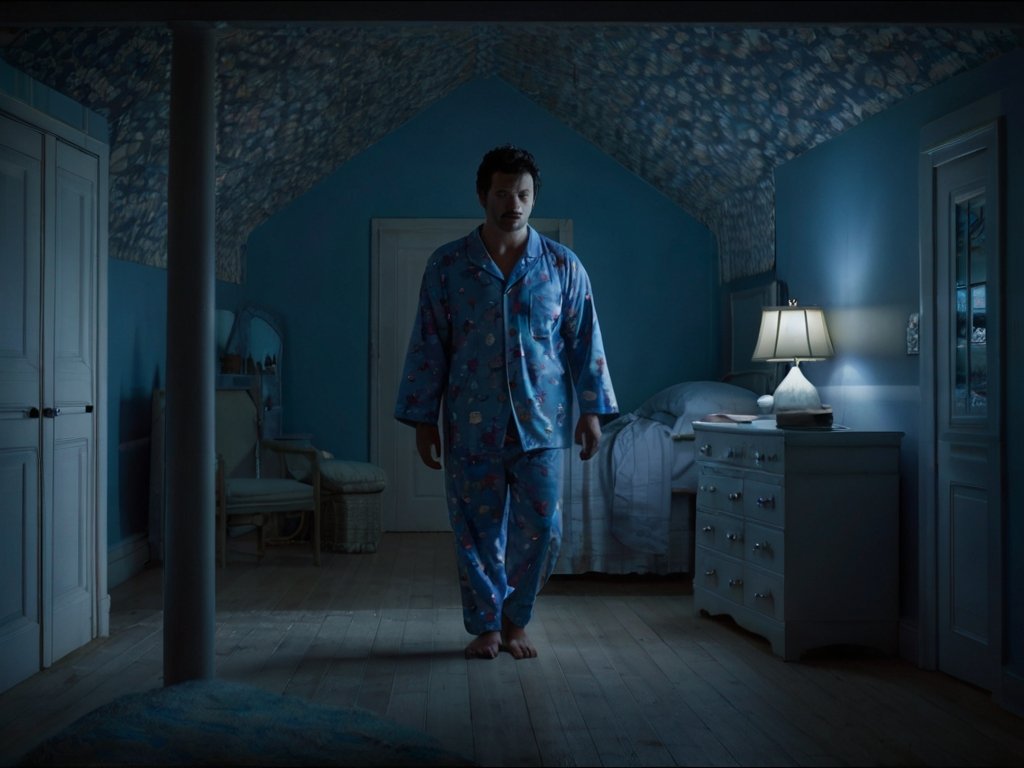
Exploring the Relationship Between Sleepwalking and Mental Illness
Sleepwalking, also known as somnambulism, is a sleep disorder characterized by complex behaviors performed during sleep, typically during non-REM (rapid eye movement) sleep stages. While sleepwalking itself is not considered a mental illness, it can sometimes be associated with underlying psychiatric conditions or psychological factors. In this article, we’ll delve into the relationship between sleepwalking and mental illness, exploring potential connections, risk factors, and treatment considerations.
Understanding Sleepwalking
Before discussing the relationship between sleepwalking and mental illness, it’s essential to understand the nature of sleepwalking itself. Sleepwalking is a parasomnia, a type of sleep disorder that involves abnormal behaviors, movements, emotions, perceptions, or dreams during sleep. It often occurs during the deeper stages of non-REM sleep, when the brain is less responsive to external stimuli. Sleepwalking episodes can range from simple activities such as sitting up in bed to more complex behaviors such as walking around the house or even leaving the home.
The Relationship Between Sleepwalking and Mental Illness
While sleepwalking itself is not classified as a mental illness, it can sometimes coexist with psychiatric conditions or psychological factors. Research suggests that individuals with certain mental health disorders may be more prone to sleepwalking episodes. Some potential connections between sleepwalking and mental illness include:
- Stress and Anxiety: Stressful life events, anxiety disorders, and other psychological stressors can increase the likelihood of sleepwalking episodes. Individuals experiencing high levels of stress or anxiety may be more prone to disrupted sleep patterns and parasomnias like sleepwalking.
- Depression: Some studies have found a higher prevalence of sleepwalking among individuals with depression. Sleep disturbances are common symptoms of depression, and sleepwalking may occur as a result of disrupted sleep architecture or abnormal sleep patterns associated with depression.
- Post-Traumatic Stress Disorder (PTSD): PTSD is another mental health condition that may be associated with sleepwalking. Nightmares, flashbacks, and other symptoms of PTSD can disrupt sleep and increase the risk of parasomnias, including sleepwalking.
- Psychotic Disorders: In rare cases, sleepwalking may occur in individuals with psychotic disorders such as schizophrenia. Disorganized sleep patterns, altered states of consciousness, and medication side effects associated with psychotic disorders may contribute to sleepwalking episodes.
Treatment Considerations
When addressing sleepwalking in individuals with underlying mental health conditions, it’s essential to consider comprehensive treatment approaches that address both the sleep disorder and the associated psychiatric symptoms. Treatment options may include:
- Medication Management: In cases where sleepwalking coexists with mental illness, medications may be prescribed to manage underlying psychiatric symptoms and stabilize sleep patterns. Antidepressants, antipsychotics, and anxiolytics may be used to address mood disorders, psychotic symptoms, or anxiety.
- Psychotherapy: Cognitive-behavioral therapy (CBT) and other forms of psychotherapy can help individuals manage stress, anxiety, depression, and other psychological factors contributing to sleep disturbances and parasomnias.
- Sleep Hygiene Practices: Implementing healthy sleep habits and lifestyle modifications can promote better sleep quality and reduce the frequency of sleepwalking episodes. Strategies such as maintaining a regular sleep schedule, creating a comfortable sleep environment, and practicing relaxation techniques may be beneficial.
- Stress Reduction Techniques: Stress management techniques such as mindfulness meditation, deep breathing exercises, and progressive muscle relaxation can help individuals cope with stress and anxiety, reducing the likelihood of sleepwalking episodes triggered by psychological factors.
Conclusion
While sleepwalking itself is not considered a mental illness, it can sometimes be associated with underlying psychiatric conditions or psychological factors. Understanding the relationship between sleepwalking and mental illness is crucial for developing comprehensive treatment approaches that address both the sleep disorder and the associated psychiatric symptoms. By addressing underlying mental health issues, managing stress, and implementing healthy sleep habits, individuals can effectively manage sleepwalking and improve overall sleep quality and well-being. If you or someone you know experiences frequent or disruptive sleepwalking episodes, it’s essential to consult with a healthcare professional for proper evaluation and guidance.