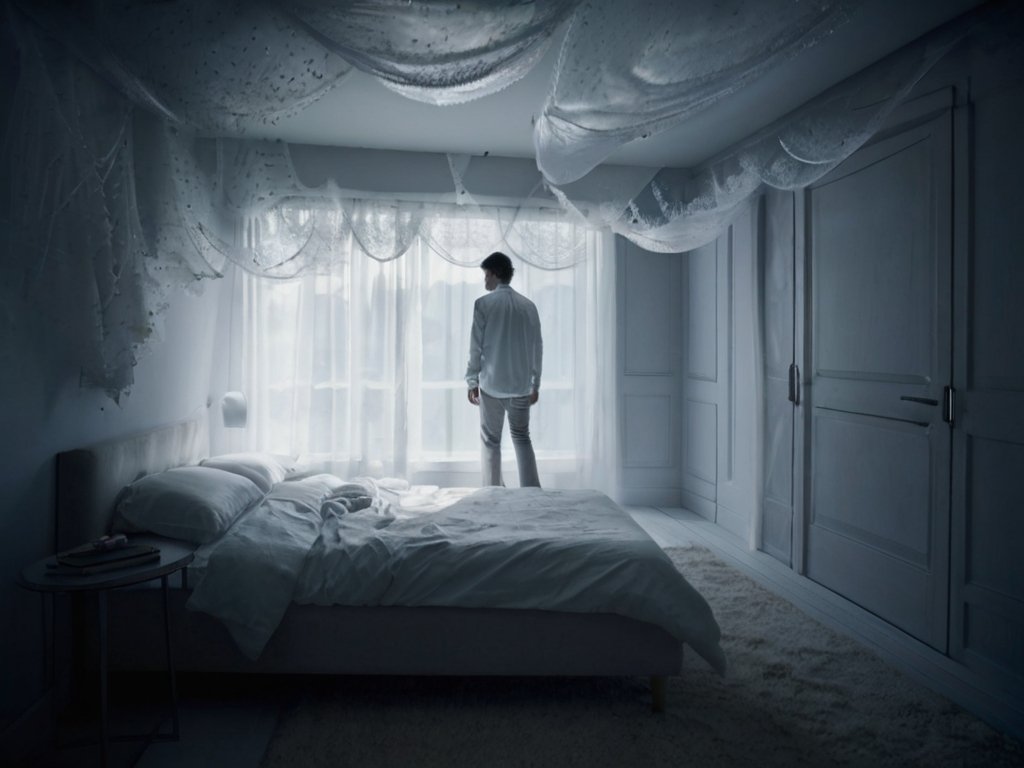
Understanding Sleepwalking: Causes, Symptoms, and Treatment
Sleepwalking, also known as somnambulism, is a sleep disorder that involves complex behaviors performed during sleep, typically during non-REM (rapid eye movement) sleep. While the exact cause of sleepwalking is not fully understood, several factors contribute to its occurrence, including genetics, underlying sleep disorders, stress, and certain medications. In this article, we’ll delve into the causes, symptoms, and treatment options for sleepwalking to help shed light on this intriguing phenomenon.
Causes of Sleepwalking
- Genetic Factors: Sleepwalking tends to run in families, suggesting a genetic component to the disorder. Individuals with a family history of sleepwalking are more likely to experience it themselves.
- Disrupted Sleep Patterns: Sleepwalking often occurs during the deeper stages of non-REM sleep, when the brain is less responsive to external stimuli. Disruptions to sleep patterns, such as irregular sleep schedules or sleep deprivation, can increase the likelihood of sleepwalking episodes.
- Underlying Sleep Disorders: Certain sleep disorders, such as sleep apnea, restless legs syndrome, and parasomnias, including night terrors and sleep-related eating disorders, may increase the risk of sleepwalking.
- Stress and Anxiety: Psychological factors, such as stress, anxiety, and emotional disturbances, can trigger sleepwalking episodes in susceptible individuals. Stressful life events or significant changes in routine may exacerbate symptoms.
- Medications and Substances: Certain medications, such as sedatives, hypnotics, and stimulants, can disrupt sleep patterns and increase the risk of sleepwalking. Alcohol consumption and recreational drug use may also contribute to sleepwalking episodes.
Symptoms of Sleepwalking
Sleepwalking episodes can vary in duration and intensity, ranging from simple activities such as sitting up in bed to more complex behaviors such as walking around the house or even leaving the home. Common symptoms of sleepwalking include:
- Walking or Moving Around: Sleepwalkers may walk aimlessly or perform routine activities such as opening doors, turning lights on or off, or rearranging furniture.
- Blank Stare: Sleepwalkers often have a glazed or vacant expression and may appear disoriented or confused.
- Limited Responsiveness: Sleepwalkers typically do not respond to attempts to communicate with them and may be difficult to awaken or redirect.
- Incoherent Speech: Some sleepwalkers may mumble or speak unintelligibly during episodes, although their speech may not make sense.
- Lack of Memory: Upon awakening, sleepwalkers usually have little to no memory of their actions during the episode.
Treatment for Sleepwalking
Treatment for sleepwalking focuses on identifying and addressing underlying factors contributing to the disorder and implementing strategies to minimize the risk of episodes. Treatment options may include:
- Improving Sleep Hygiene: Establishing a regular sleep schedule, creating a comfortable sleep environment, and practicing relaxation techniques can help promote restful sleep and reduce the likelihood of sleepwalking.
- Managing Stress: Stress reduction techniques such as mindfulness meditation, deep breathing exercises, and cognitive-behavioral therapy (CBT) can help alleviate anxiety and stress-related triggers for sleepwalking.
- Addressing Underlying Sleep Disorders: Treating underlying sleep disorders such as sleep apnea or restless legs syndrome may help reduce the frequency and severity of sleepwalking episodes.
- Medication: In some cases, medications such as benzodiazepines or antidepressants may be prescribed to help regulate sleep patterns and reduce the occurrence of sleepwalking.
- Safety Measures: Implementing safety precautions such as securing windows and doors, removing obstacles from the sleep environment, and using safety gates or alarms can help prevent injury during sleepwalking episodes.
Conclusion
Sleepwalking is a fascinating sleep disorder characterized by complex behaviors performed during sleep. While the exact cause of sleepwalking remains unclear, a combination of genetic, environmental, and psychological factors likely contributes to its occurrence. By understanding the causes, symptoms, and treatment options for sleepwalking, individuals can take proactive steps to manage the disorder effectively and minimize its impact on their quality of life. If you or someone you know experiences frequent or disruptive sleepwalking episodes, it’s essential to consult with a healthcare professional for proper evaluation and guidance.