
Dream satisfaction

Sleepwalking

Learn about sleepwalking, a complex sleep disorder where individuals may walk or perform other activities while not fully awake.

Often rooted in genetics, stress, or sleep deprivation, sleepwalking can pose various risks, from minor injuries to serious safety concerns. Common symptoms include unresponsiveness, confused behavior, and difficulty waking during an episode, often leaving the sleepwalker with no memory of the experience.

Discover effective strategies to manage sleepwalking, such as establishing a consistent sleep routine, reducing stress, and creating a safe sleeping environment to prevent accidents. Whether you’re managing your own sleepwalking or helping a loved one, these tips can help minimize risks and support healthier, safer sleep.

Latest Sleepwalking Articles

Sleepwalking and Legal Issues: Real-Life Cases and Ethical Considerations

Sleepwalking is often seen as a harmless, if odd, sleep disorder where individuals perform complex...
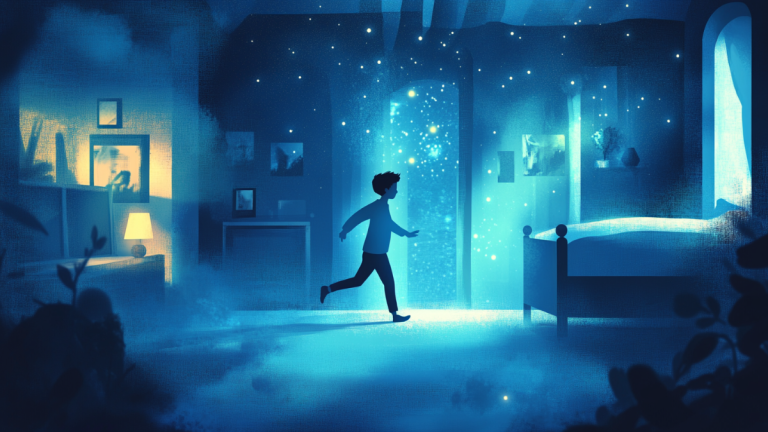
Myths and Facts About Sleepwalking: Debunking Common Misconceptions

Sleepwalking is a sleep disorder that has long fascinated—and often confused—many people. From tales...

How to Prevent Sleepwalking: Practical Tips for Better Sleep Hygiene

Sleepwalking can be a puzzling and, at times, concerning condition. While the exact causes are still...

What Happens in the Brain During Sleepwalking?

Sleepwalking is one of the most fascinating and mysterious sleep disorders. While many of us think...

Can Stress Cause Sleepwalking? The Link Between Stress and Parasomnias

Sleepwalking, a type of parasomnia, is a mysterious sleep disorder that many people have...

Sleepwalking in Adults: Why It’s More Common Than You Think

Sleepwalking is often associated with children, but it’s a condition that affects many adults...