Nightmares are an unsettling part of the sleep experience for both children and adults. However, the nature, causes, and responses to nightmares can differ significantly between these two groups. While nightmares are common across all ages, their frequency, content, and emotional impact are shaped by a variety of factors, including brain development, life experiences, and emotional regulation.
In this article, we will explore why children and adults experience nightmares differently, what triggers them, and how each age group responds to these vivid dreams.
Understanding Nightmares: What Are They?
Nightmares are disturbing dreams that evoke feelings of fear, anxiety, or distress. They usually occur during REM (Rapid Eye Movement) sleep, the stage of sleep when dreaming is most vivid. For both children and adults, nightmares can disrupt sleep, cause lingering fear upon waking, and even affect daytime functioning.
However, despite these similarities, the differences in brain development, emotional processing, and life experiences between children and adults mean that the nightmare experiences for each group can vary widely.
Why Do Children Have More Nightmares?
- Developmental Factors and Imagination
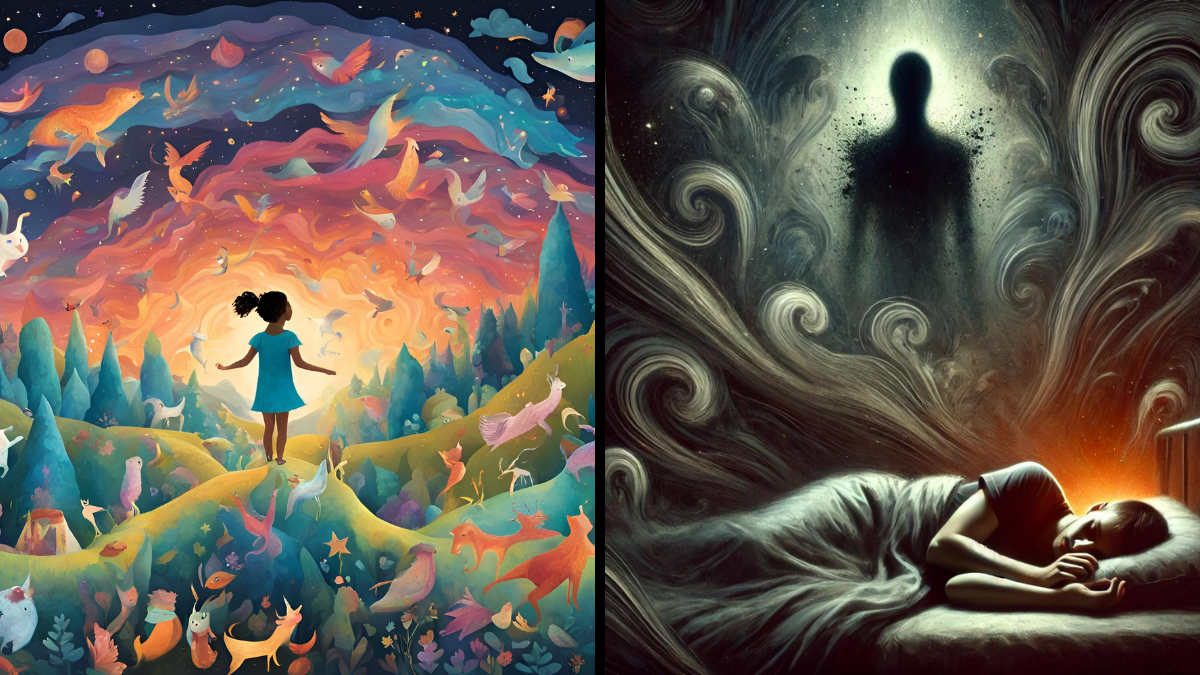
Children, especially those aged 3 to 6, are more prone to nightmares than adults. This is largely due to the ongoing development of their brains and imaginations. At this stage, children are in the process of learning to differentiate between reality and fantasy, and their understanding of the world is still developing. This makes them more susceptible to fears that may manifest in their dreams.
Additionally, young children often have a vivid imagination, which can make their dreams, including nightmares, feel more intense and real. For example, fears of imaginary creatures, monsters, or being left alone often appear in children’s nightmares, reflecting the anxieties of their developmental stage.
- Emotional Regulation
Children are still learning how to regulate their emotions, and their brains are not yet fully equipped to process complex feelings. As a result, their nightmares are often linked to emotional stress or feelings they don’t fully understand. Events that might seem minor to an adult—such as arguments with friends, fears of school, or watching a scary movie—can spark nightmares in children. Their brains use dreams as a way to process these overwhelming emotions, sometimes resulting in frightening experiences.
- Lack of Real-Life Experience
Children’s nightmares often involve themes of being chased, lost, or abandoned. These types of dreams reflect their fear of being separated from their caregivers or finding themselves in situations they can’t control. Since children lack the real-life experiences and problem-solving abilities that adults have, their nightmares tend to focus on scenarios where they feel powerless or vulnerable.
How Do Adults Experience Nightmares Differently?
- Life Stressors and Trauma
As adults, the content of nightmares often shifts to reflect real-life stressors and anxieties. Work pressures, relationship difficulties, financial concerns, or health issues can all contribute to nightmares. In some cases, nightmares are directly related to traumatic experiences, such as accidents or the loss of a loved one. In contrast to the more imaginary or fantastical themes in children’s nightmares, adult nightmares often center around real-world problems or unresolved emotional conflicts.
Adults who suffer from post-traumatic stress disorder (PTSD) are particularly prone to recurrent nightmares involving past traumatic events. These nightmares can become chronic and may disrupt sleep, causing further emotional and psychological distress.
- Emotional Complexity
As adults, we have a more complex emotional life compared to children. We face a broader range of responsibilities and stressors that can infiltrate our dreams. Nightmares in adults tend to be more nuanced, often involving themes of failure, inadequacy, or social embarrassment. These nightmares may be less about physical danger and more focused on existential fears, such as fear of loss, rejection, or major life changes.
Additionally, adults are more likely to experience nightmares related to grief, guilt, or unresolved issues from the past. These dreams often reflect emotional burdens that adults carry into their sleep, using nightmares as a way to work through those emotions.
- Impact of Medications and Sleep Disorders
Certain medications, such as antidepressants, beta-blockers, and even some blood pressure medications, can increase the likelihood of nightmares in adults. Additionally, sleep disorders such as insomnia or sleep apnea are more common in adults and can lead to disrupted sleep cycles. This disruption increases the chances of waking up during REM sleep, when nightmares occur, making them more vivid and easier to remember.
Adults are also more likely to suffer from chronic nightmares that can affect sleep quality and even lead to nightmare disorder, a condition where recurring nightmares cause significant distress and sleep disturbances.
How Children and Adults Respond to Nightmares
- Children’s Response to Nightmares
Children often wake up from nightmares feeling confused and scared, struggling to distinguish the dream from reality. They may need comfort and reassurance from a caregiver to feel safe again. Nightmares can leave children fearful of going back to sleep, leading to bedtime resistance or night-time awakenings.
Young children may also develop sleep problems, such as night terrors, where they wake up in extreme fear but are not fully conscious. Unlike nightmares, night terrors occur during non-REM sleep, and the child typically has no memory of the episode in the morning.
Parents can help children by comforting them after a nightmare, providing a calming bedtime routine, and addressing any fears or stressors in the child’s waking life.
- Adults’ Response to Nightmares
Adults, on the other hand, are more likely to experience lingering emotional effects from nightmares. While many adults can shrug off an occasional nightmare, chronic nightmares can lead to sleep disturbances, anxiety, and even fear of falling asleep. This is especially true for adults dealing with high levels of stress or mental health conditions like PTSD or depression.
Unlike children, adults often seek to understand the deeper meaning behind their nightmares. Some people might turn to dream analysis or therapy, particularly if the nightmares are recurring and linked to unresolved issues in their waking life.
Can Nightmares Serve a Purpose for Both Age Groups?
Interestingly, nightmares may serve a beneficial role for both children and adults. Threat simulation theory suggests that nightmares allow us to rehearse responses to danger or fear in a safe, dream environment. This theory posits that nightmares help prepare us for real-world challenges, allowing us to cope better with stressful situations.
In children, nightmares may be part of the natural process of learning to deal with fear and developing emotional resilience. For adults, nightmares might act as a form of emotional processing, helping to address unresolved anxieties, fears, or trauma.
Bridging the Nightmare Gap
While nightmares affect both children and adults, the experiences are shaped by different factors. For children, nightmares are often linked to developmental stages, an active imagination, and difficulty regulating emotions. For adults, nightmares are more likely tied to real-world stressors, trauma, and complex emotions.
In both cases, nightmares serve as a window into our subconscious, providing clues about our emotional and psychological state. By understanding the differences in how children and adults experience and respond to nightmares, we can offer better support, whether it’s comforting a child after a bad dream or addressing deeper issues in an adult’s life.