Unlocking the Mysteries of Sleepwalking: Understanding Symptoms and Signs
Sleepwalking, also known as somnambulism, is a sleep disorder characterized by complex behaviors performed during sleep, typically during the deeper stages of non-REM sleep. While sleepwalking itself may seem straightforward, its symptoms can vary widely in severity and complexity. In this comprehensive guide, we’ll delve into the symptoms and signs of sleepwalking, shedding light on this intriguing phenomenon.
The Spectrum of Sleepwalking Symptoms
Sleepwalking symptoms can manifest in a variety of ways, ranging from mild to more elaborate behaviors. Common symptoms include:
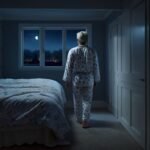
- Ambulation and Movement: The hallmark symptom of sleepwalking is walking or moving around while asleep. Individuals may sit up in bed, walk around the room, or even leave the house during a sleepwalking episode.
- Incoherent Speech: Sleepwalkers may mumble or speak incoherently while asleep, often with fragmented or nonsensical speech patterns.
- Limited Responsiveness: Despite appearing awake, sleepwalkers typically exhibit limited responsiveness to external stimuli. They may not respond to attempts to communicate or interact with them.
- Confusion and Disorientation: Sleepwalkers often experience confusion or disorientation upon awakening or during the sleepwalking episode. They may have difficulty recognizing their surroundings or understanding what is happening.
- Partial or Complete Amnesia: Many sleepwalkers have partial or complete amnesia for the events that occurred during the sleepwalking episode. They may have no memory of the episode upon awakening or only vague recollections.
- Automatic Behaviors: Sleepwalkers may engage in automatic behaviors or routines that are typically performed during waking hours, such as dressing or eating. These behaviors may be performed clumsily or in a disorganized manner.
Factors Influencing Sleepwalking Symptoms
Several factors can influence the severity and frequency of sleepwalking symptoms, including:
- Genetic Predisposition: Sleepwalking tends to run in families, suggesting a genetic predisposition to the disorder. Individuals with a family history of sleepwalking may be more likely to experience symptoms themselves.
- Sleep Environment: Environmental factors such as noise, light, temperature, and disruptions to the sleep environment can trigger or exacerbate sleepwalking episodes. Creating a calm, conducive sleep environment may help reduce symptoms.
- Stress and Anxiety: High levels of stress or anxiety can disrupt sleep patterns and increase the likelihood of sleepwalking. Managing stress through relaxation techniques and stress-reduction strategies may help alleviate symptoms.
- Sleep Deprivation: Lack of sufficient sleep or irregular sleep patterns can increase the risk of sleepwalking. Prioritizing good sleep hygiene and maintaining a consistent sleep schedule may help reduce symptoms.
When to Seek Help
While occasional sleepwalking episodes may not be cause for concern, frequent or severe symptoms may warrant evaluation by a healthcare professional. It’s essential to seek medical attention if sleepwalking:
- Occurs frequently or persists into adulthood
- Results in injury to the sleepwalker or others
- Interferes with daily functioning or quality of life
- Is accompanied by other sleep disorders or medical conditions
A healthcare professional, such as a primary care physician or sleep specialist, can conduct a comprehensive evaluation, including a medical history, physical examination, and, if necessary, sleep studies, to diagnose and address underlying factors contributing to sleepwalking symptoms.
Conclusion
Sleepwalking is a complex sleep disorder characterized by a range of symptoms and signs, from simple ambulation to more elaborate behaviors. By understanding the symptoms and potential triggers of sleepwalking, individuals can take proactive steps to manage and reduce the frequency of episodes. If sleepwalking symptoms persist or interfere with daily functioning, seeking guidance from a healthcare professional is recommended to ensure proper diagnosis and treatment.