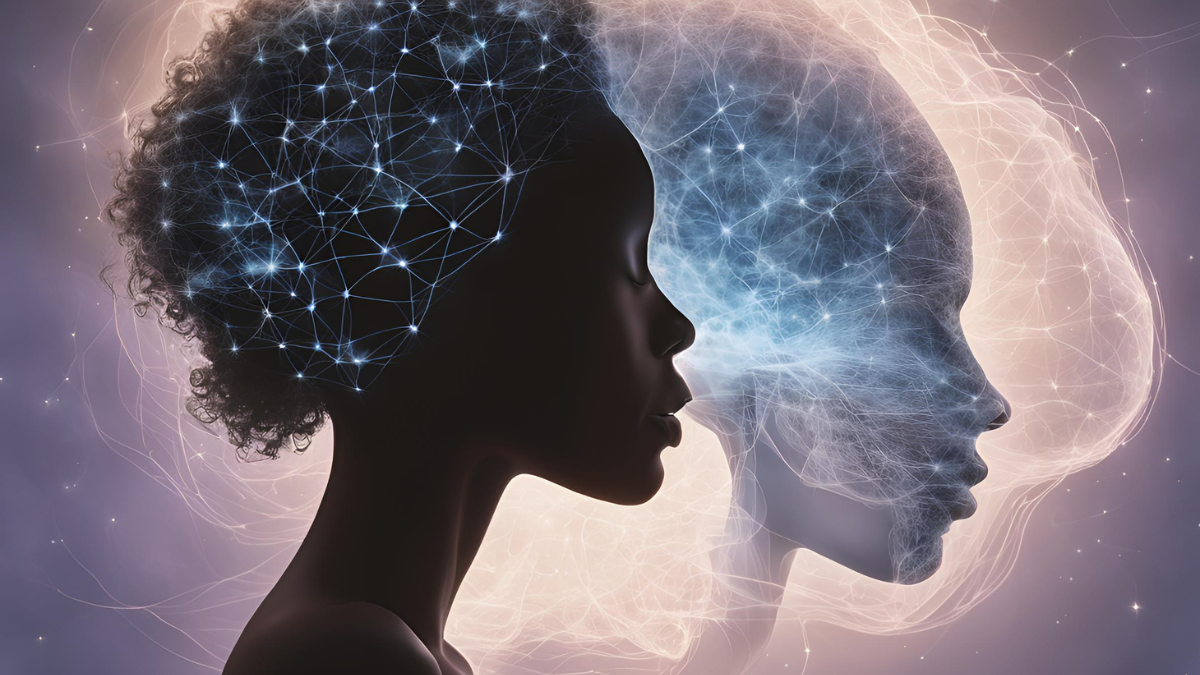
We all dream, yet the experience remains one of the most mysterious and intriguing aspects of human existence. Whether you’re flying through the clouds or reliving a long-lost memory, the content of dreams can be vivid, surreal, or even downright puzzling.
But what’s happening in your brain while you’re dreaming?
Thanks to advances in neuroscience, we now have a clearer understanding of how and why dreams occur, and the complex brain processes involved in creating these nighttime narratives.
The Sleep Cycle and Dreams
To understand the science of dreaming, it’s essential to look at the different stages of sleep. The brain cycles through various stages during the night, and dreams can occur at different points in the sleep cycle, but they are most commonly associated with REM (Rapid Eye Movement) sleep.
There are five stages of sleep, categorized into two main types: Non-REM sleep (stages 1-4) and REM sleep (stage 5). Let’s take a closer look at what happens in the brain during these stages.
- Non-REM Stage 1 (Light Sleep): This is the transition phase between wakefulness and sleep. Brain waves slow down slightly, and you may experience brief, dream-like sensations, though they are not as vivid as those in later stages.
- Non-REM Stage 2 (Light Sleep): Brain activity continues to slow, with bursts of rapid brain waves known as sleep spindles. This stage is a light sleep where you can still be easily awakened.
- Non-REM Stages 3 & 4 (Deep Sleep): Also called slow-wave sleep, this is when brain waves become extremely slow. It’s the most restorative phase of sleep, crucial for healing and growth. While dreaming can happen during these stages, it’s less common and tends to be more fragmented and unclear.
- REM Sleep (Rapid Eye Movement): This is where the most vivid dreams happen. During REM sleep, brain activity becomes highly active, almost resembling wakefulness. Your eyes move rapidly under your eyelids (hence the name), but your body remains temporarily paralyzed—a protective measure to prevent you from acting out your dreams.
During a typical night, your body cycles through these stages several times, with each REM period becoming progressively longer. The brain becomes particularly active during REM, and this is where the magic of dreaming unfolds.
What Happens in the Brain During REM Sleep?
During REM sleep, the brain is a hive of activity, with different areas contributing to the creation of dreams. Here are some key brain regions and processes involved in dreaming:
- The Limbic System: The Emotional Center
- The limbic system, especially the amygdala and hippocampus, is highly active during REM sleep. This area of the brain is responsible for processing emotions, memory, and motivation. This explains why dreams are often emotional or intense and why we sometimes dream about past experiences.
- The Visual Cortex: Bringing Dreams to Life
- The visual cortex processes visual information in waking life, but it’s also involved in creating the imagery we see in our dreams. Even though your eyes are closed, your brain’s visual system is active, producing the vivid images you experience in dreams.
- The Prefrontal Cortex: Logic and Control Take a Break
- Interestingly, the prefrontal cortex, the part of the brain responsible for logic, reasoning, and self-control, is less active during REM sleep. This is one reason why dreams often lack logic or structure, and why bizarre or unrealistic events can seem completely normal while you’re dreaming.
- The Parietal Lobes: Spatial Awareness
- The parietal lobes, which help you understand spatial awareness and your body’s orientation in space, also contribute to dreams. These areas of the brain are responsible for the immersive, 3D environments you experience in dreams, making you feel as though you are truly moving through the dream world.
Why Do We Dream?
Despite our advanced understanding of brain activity during dreaming, the actual purpose of dreams remains somewhat elusive. There are several leading theories about why we dream:
- Emotional Processing: Dreams may help us process and regulate emotions. Some researchers suggest that dreaming, particularly REM dreaming, allows us to re-experience emotional events in a safe environment, helping us process trauma, fear, or unresolved feelings.
- Memory Consolidation: Dreams could play a role in consolidating memories. During sleep, particularly REM sleep, the brain sorts through information, helping to reinforce memories we’ll keep and discard unnecessary data. Some theories suggest that dreams are the byproducts of this memory processing, replaying fragments of the day’s experiences.
- Problem-Solving: Some experts believe that dreaming allows the brain to explore solutions to problems. Since the logical part of the brain is less active, we’re free to think more creatively. Famous examples include scientists and artists who claim to have solved problems or come up with creative ideas through their dreams.
- Psychological Growth: Psychologists like Carl Jung and Sigmund Freud believed that dreams serve a function in our psychological growth, allowing the unconscious mind to communicate with the conscious self. While Freud believed dreams reflected repressed desires, Jung felt they were more symbolic of our journey toward self-awareness.
What Triggers Specific Dreams?
Dream content can be influenced by many factors, from your waking experiences to your physical environment. Here are some common triggers:
- Daily Experiences: Dreams often incorporate elements from your daily life, known as the “day residue” effect. Conversations, stressful events, or thoughts you had before bed can weave themselves into your dreams.
- Emotions: Strong emotions, especially anxiety and stress, can heavily influence dreams. People going through stressful periods often report more vivid or unsettling dreams, including nightmares.
- External Stimuli: Sometimes, external factors—like noises, light, or temperature—can shape the content of dreams. For instance, hearing a distant alarm may get incorporated into your dream as a siren or a ringing phone.
- Sleep Position: Believe it or not, some research suggests that your sleep position may affect the types of dreams you have. For example, sleeping on your stomach has been linked to more intense and vivid dreams.
What Happens if We Don’t Dream?
Dreaming is believed to serve important functions, and studies have shown that depriving people of REM sleep can have negative effects. People who are repeatedly woken up before entering REM sleep often report increased anxiety, irritability, and difficulty concentrating. REM sleep may play a crucial role in emotional regulation and mental health, making dreams an important part of our overall well-being.
However, some people rarely remember their dreams. While this doesn’t necessarily mean they aren’t dreaming (most people forget 90% of their dreams), it may simply be that their brains are not prioritizing dream recall. The good news is that dream recall can be improved with techniques like keeping a dream journal or practicing mindfulness before sleep.
The Mysterious World of Dreams
Dreams are one of the most captivating and least understood aspects of the human experience. While science has unraveled much of the mystery behind how we dream—by studying REM sleep and brain activity—why we dream remains an open question. Whether dreams serve to process emotions, consolidate memories, solve problems, or offer insight into our subconscious mind, they remain a vital part of the sleep process.
The next time you wake up with a vivid dream in mind, remember that your brain has been hard at work, weaving together memories, emotions, and creative scenarios—all while you slept.