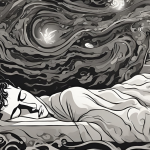
Nightmares are often associated with fear, discomfort, and anxiety, causing many to view them solely as negative experiences. However, emerging research suggests that nightmares may serve a purpose beyond the surface-level distress they evoke. Far from being merely random occurrences, nightmares might actually help us process emotions, face real-world challenges, and confront subconscious issues.
In this article, we’ll explore how nightmares, despite their unsettling nature, could offer unexpected benefits to our mental and emotional well-being.
The Role of Nightmares in Emotional Processing
One of the primary theories surrounding the purpose of nightmares is their role in helping us process emotions, particularly negative or unresolved ones. When we experience fear, anxiety, or stress during the day, these emotions may carry over into our dreams, where the brain attempts to work through them.
- Emotional Regulation Through Dreaming
Nightmares can serve as an outlet for processing difficult emotions that we may suppress during waking hours. The amygdala, the brain’s emotional center, is highly active during REM sleep (the stage where vivid dreams occur). Nightmares, particularly those with strong emotional content, may help the brain simulate and rehearse reactions to fear and anxiety, offering a safe space for emotional exploration.
Through this process, our minds attempt to regulate and process unresolved feelings, leading to emotional release and, in some cases, relief. The dream world becomes a space to confront our fears and anxieties in a way that is less damaging than facing them head-on in waking life.
- Nightmares as a Mechanism for Resolving Trauma
Nightmares also play a crucial role in helping individuals process trauma. Trauma-related nightmares are common in those who have experienced significant distress, such as post-traumatic stress disorder (PTSD) sufferers. While these dreams can be distressing, they are believed to help the brain work through the traumatic event by repeatedly exposing the individual to the memories in a controlled environment. Over time, this repeated exposure may allow the brain to gradually desensitize to the trauma, reducing the emotional intensity associated with the memories.
Preparing for Real-World Threats
Nightmares may have an evolutionary purpose that extends beyond emotional processing. Some researchers suggest that nightmares help prepare us for real-world dangers by simulating threatening situations in a safe, dream environment. This theory is known as the Threat Simulation Theory (TST), and it posits that nightmares evolved as a defense mechanism to help humans rehearse responses to dangerous situations, thus improving survival skills.
- Rehearsing Fear Responses
Imagine being chased by a predator or falling from a great height—these are common nightmare themes that likely had real-world significance for early humans. These simulated experiences, even in modern times, may allow individuals to practice responding to fear-inducing scenarios. In a nightmare, you may rehearse escape strategies, experience adrenaline surges, and face threatening situations, all of which could better equip you to deal with real-life fears.
Although modern humans may not face predators in the wild, the subconscious mind may still use nightmares to help us prepare for modern stressors, such as workplace conflicts, social rejection, or emergencies. Nightmares offer a mental rehearsal space for coping with challenges, thus contributing to emotional resilience and preparedness.
Nightmares as Problem-Solving Tools
Another benefit of nightmares lies in their potential to help solve subconscious issues. The problem-solving theory of dreaming suggests that dreams, including nightmares, allow the mind to process unresolved conflicts or dilemmas that are too complex or emotionally charged to address during the day. While it may seem counterintuitive, the brain’s chaotic, often illogical dream states can sometimes provide insight into problems we struggle with in waking life.
- Accessing the Subconscious Mind
Nightmares can bring to the surface hidden concerns or unresolved issues that may be too uncomfortable or suppressed to face consciously. By confronting these issues in dreams, the brain may attempt to offer solutions or reframe the problem in ways we may not have considered while awake. Some people even find that they wake from nightmares with a new perspective or clarity on how to handle a stressful situation.
For example, nightmares about failure or inadequacy may reflect insecurities we are unwilling to acknowledge in daily life. These dreams force us to confront those fears head-on, helping us to address underlying self-doubt or social anxieties in a constructive way.
- Boosting Creativity Through Unsettling Dreams
Nightmares, though disturbing, can sometimes be a source of creative inspiration. The vivid, bizarre, and emotionally charged content of nightmares can spark creativity in ways that more neutral dreams do not. Throughout history, artists, writers, and musicians have drawn inspiration from their nightmares to create powerful and evocative works. The subconscious mind, when freed from the constraints of waking logic, can provide unique and creative solutions to problems, whether in art, work, or personal life.
When Nightmares Become a Problem
While nightmares may have beneficial aspects, it’s important to recognize when they become problematic. Frequent, intense nightmares, particularly those that interfere with sleep quality or cause significant distress, may indicate underlying issues that need to be addressed. Chronic nightmares can be linked to anxiety disorders, depression, or PTSD. In such cases, professional intervention, such as Cognitive Behavioral Therapy for Insomnia (CBT-I) or Imagery Rehearsal Therapy (IRT), can be effective in reducing nightmare frequency and intensity.
Coping with Nightmares: Practical Tips
If nightmares are causing distress, there are several strategies that can help reduce their frequency and impact while still allowing for emotional processing:
- Practice Relaxation Techniques: Engage in relaxation exercises such as deep breathing, meditation, or progressive muscle relaxation before bed to reduce anxiety levels and create a more peaceful sleep environment.
- Maintain a Consistent Sleep Schedule: Ensure you are getting enough rest by sticking to a regular sleep routine. This can help regulate your sleep cycle and minimize disruptive dreams.
- Keep a Dream Journal: Writing down your dreams can help you identify recurring patterns, themes, or stressors contributing to nightmares. By bringing these elements into conscious awareness, you can better address the underlying emotions they represent.
- Address Stress and Anxiety: Since nightmares are often linked to stress and anxiety, addressing these emotions in waking life through therapy, mindfulness, or stress-reduction techniques can reduce their impact on your dreams.
- Use Imagery Rehearsal Therapy (IRT): IRT involves re-imagining distressing nightmares with positive or neutral endings during waking hours. This technique can help retrain the brain to view the dream scenario as less threatening, reducing its emotional intensity.
Nightmares as a Tool for Growth
While nightmares may be distressing, they can serve important psychological and emotional functions. By helping us process unresolved emotions, prepare for real-world challenges, and solve subconscious problems, nightmares offer more than just fear—they offer insight, reflection, and even growth. Understanding the potential benefits of nightmares can shift our perspective, allowing us to appreciate their role in the complex workings of the mind.
Rather than merely dismissing nightmares as negative experiences, embracing them as opportunities for emotional regulation and mental rehearsal may provide valuable insight into our inner world and contribute to overall well-being.