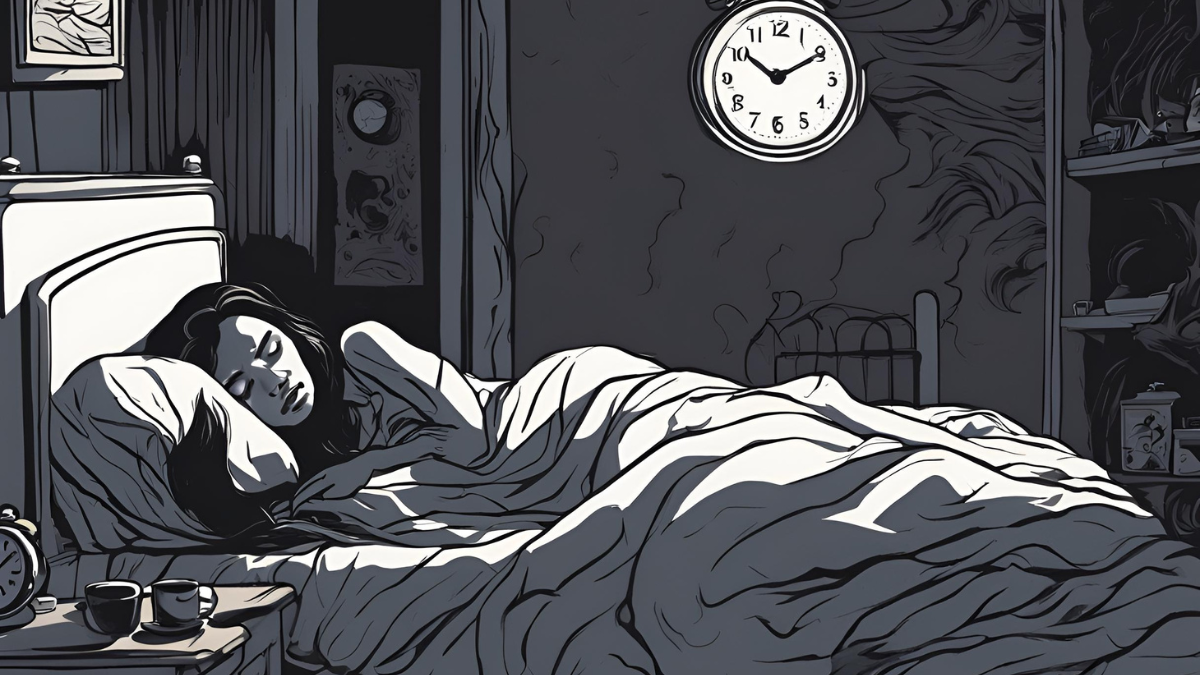
Nightmares are a common experience that nearly everyone encounters at some point. They can be unsettling, but most of the time, they are an occasional disturbance that doesn’t have a lasting impact. However, when nightmares become frequent, intense, or begin to interfere with sleep quality, they may indicate the presence of an underlying sleep disorder. Conditions like nightmare disorder and sleep paralysis can cause distressing experiences during sleep and may require professional intervention.
In this article, we will explore sleep disorders related to nightmares, explain when these dreams might indicate a more serious issue, and guide you on when to seek help.
What Are Nightmares?
Nightmares are vivid and disturbing dreams that often involve scenarios of danger, fear, or anxiety. They typically occur during REM sleep, the phase of the sleep cycle in which most dreaming happens. Nightmares often lead to abrupt awakenings, leaving the dreamer feeling distressed or shaken. While occasional nightmares are normal, experiencing them regularly could signal a more serious condition.
Understanding Nightmare Disorder
Nightmare disorder is a recognized sleep condition in which individuals experience frequent and recurring nightmares that disrupt sleep. People with this disorder often wake up feeling afraid, distressed, or unable to return to sleep, leading to sleep deprivation and its associated effects, such as fatigue, anxiety, and difficulty concentrating.
Signs of Nightmare Disorder
- Frequent nightmares, occurring multiple times per week
- Disturbances in sleep quality, including difficulty falling back asleep after a nightmare
- Fear or anxiety about going to sleep due to the anticipation of nightmares
- Daytime fatigue and mood disturbances due to poor sleep
- Avoidance of certain situations that may trigger nightmares, such as watching scary movies
Nightmare disorder can be triggered by various factors, including stress, trauma, and certain medications. Post-traumatic stress disorder (PTSD) is commonly linked with recurring nightmares that replay traumatic events or incorporate related fears. In cases where nightmares are frequent and distressing, they may not only affect sleep but also contribute to mental health challenges.
Sleep Paralysis and Its Connection to Nightmares
Sleep paralysis is another sleep disorder that can involve frightening dream-like experiences. During an episode of sleep paralysis, an individual may wake up from sleep but find themselves unable to move or speak for several seconds or minutes. This paralysis occurs as a natural mechanism to prevent the body from acting out dreams during REM sleep, but when someone wakes up before the body can “unlock,” they may experience this temporary state of immobility.
What makes sleep paralysis particularly frightening is that it is often accompanied by vivid hallucinations or intense feelings of fear. People may feel as though they are being watched, suffocated, or held down, and they are unable to react. These experiences are closely related to nightmares and can feel terrifyingly real, making sleep paralysis episodes highly distressing.
Signs of Sleep Paralysis
- Temporary inability to move or speak upon waking or falling asleep
- Sensations of pressure on the chest or difficulty breathing during the episode
- Hallucinations or intense feelings of fear while paralyzed
- Awareness of surroundings but unable to react physically
While occasional sleep paralysis is not harmful, frequent episodes may interfere with restful sleep and can signal a more significant issue if they occur regularly or cause severe anxiety.
Causes and Risk Factors for Sleep-Related Nightmares
Certain factors can increase the likelihood of experiencing frequent nightmares or sleep disorders like nightmare disorder and sleep paralysis. These risk factors include:
- Stress and Anxiety: High levels of stress and anxiety, whether from personal issues, work, or trauma, can contribute to nightmares. Emotional stress disrupts normal sleep patterns and makes vivid or distressing dreams more likely.
- Trauma: Individuals who have experienced traumatic events are more likely to suffer from nightmares, especially those with PTSD. The brain may attempt to process trauma through dreams, leading to repeated distressing content.
- Sleep Deprivation: A lack of sleep can increase the intensity of nightmares and sleep paralysis episodes. Sleep deprivation disrupts REM sleep, the phase when most dreaming occurs, and when the brain finally enters REM, dreams can be more vivid and intense.
- Substance Use and Medication: Certain medications, such as antidepressants, antihypertensives, and beta-blockers, are known to influence dream content, sometimes leading to nightmares. Substance use, including alcohol and recreational drugs, can also disrupt sleep and increase nightmare frequency.
- Irregular Sleep Schedules: Disrupted or irregular sleep patterns, such as those caused by shift work, traveling across time zones, or maintaining inconsistent sleep hours, can interfere with REM sleep and lead to nightmares or sleep paralysis.
When to Seek Help for Nightmares
While occasional nightmares may not be a cause for concern, persistent and distressing nightmares could indicate a sleep disorder that needs attention. Here are some signs that it may be time to seek professional help:
- Nightmares Occur Frequently
If you are experiencing nightmares several times per week, and they are significantly impacting your ability to sleep, it’s important to consult a healthcare provider. Frequent nightmares may indicate nightmare disorder or another underlying condition like PTSD.
- Sleep Quality Is Affected
When nightmares cause you to wake up frequently or prevent you from falling back asleep, resulting in sleep deprivation or exhaustion, it may be a sign that something more serious is at play.
- Fear of Sleeping
If you are beginning to avoid sleep due to a fear of nightmares or have developed anxiety around going to bed, it’s important to address this with a healthcare professional. Avoiding sleep can lead to more serious mental and physical health problems over time.
- Sleep Paralysis Episodes Are Frequent
While occasional sleep paralysis is relatively common, experiencing frequent episodes accompanied by distressing hallucinations or nightmares may require intervention. Frequent sleep paralysis may be linked to poor sleep hygiene or an underlying condition that should be addressed.
- Daytime Functioning Is Impaired
When nightmares or sleep paralysis begin to affect your daytime functioning—causing irritability, anxiety, poor concentration, or mood swings—it’s essential to seek help. Sleep disorders can interfere with your ability to work, maintain relationships, and manage daily responsibilities.
Treatment Options for Nightmare-Related Sleep Disorders
If you are experiencing frequent nightmares or sleep paralysis, there are treatment options available that can help reduce their frequency and severity. Here are some common approaches:
- Cognitive Behavioral Therapy for Insomnia (CBT-I)
CBT-I is an evidence-based therapy that helps individuals address the underlying thoughts and behaviors that contribute to sleep disturbances, including nightmares. This therapy can help change how you respond to nightmares and improve overall sleep quality.
- Imagery Rehearsal Therapy (IRT)
IRT is a technique used to treat nightmare disorder, particularly in individuals with PTSD. This therapy involves “rehearsing” a different ending to a nightmare while awake, gradually retraining the brain to reduce the emotional intensity of the nightmare.
- Medication
In some cases, medication may be prescribed to help manage sleep-related nightmares or sleep paralysis. Certain medications can help regulate REM sleep, reduce the frequency of nightmares, or address underlying conditions like PTSD.
- Improving Sleep Hygiene
Establishing healthy sleep habits is a crucial part of managing nightmares and other sleep disorders. This includes maintaining a consistent sleep schedule, creating a calming bedtime routine, avoiding stimulants like caffeine before bed, and ensuring a comfortable sleep environment.
Don’t Ignore Chronic Nightmares
While occasional nightmares are a normal part of the sleep experience, frequent or distressing nightmares could indicate a more serious issue, such as nightmare disorder or sleep paralysis. Recognizing when to seek help is crucial for maintaining good mental and physical health. If nightmares are interfering with your sleep quality or daytime functioning, or if you experience frequent episodes of sleep paralysis, consider consulting a sleep specialist or healthcare provider.
Treatment is available, and with the right approach, you can reduce the impact of nightmares and improve your overall sleep.