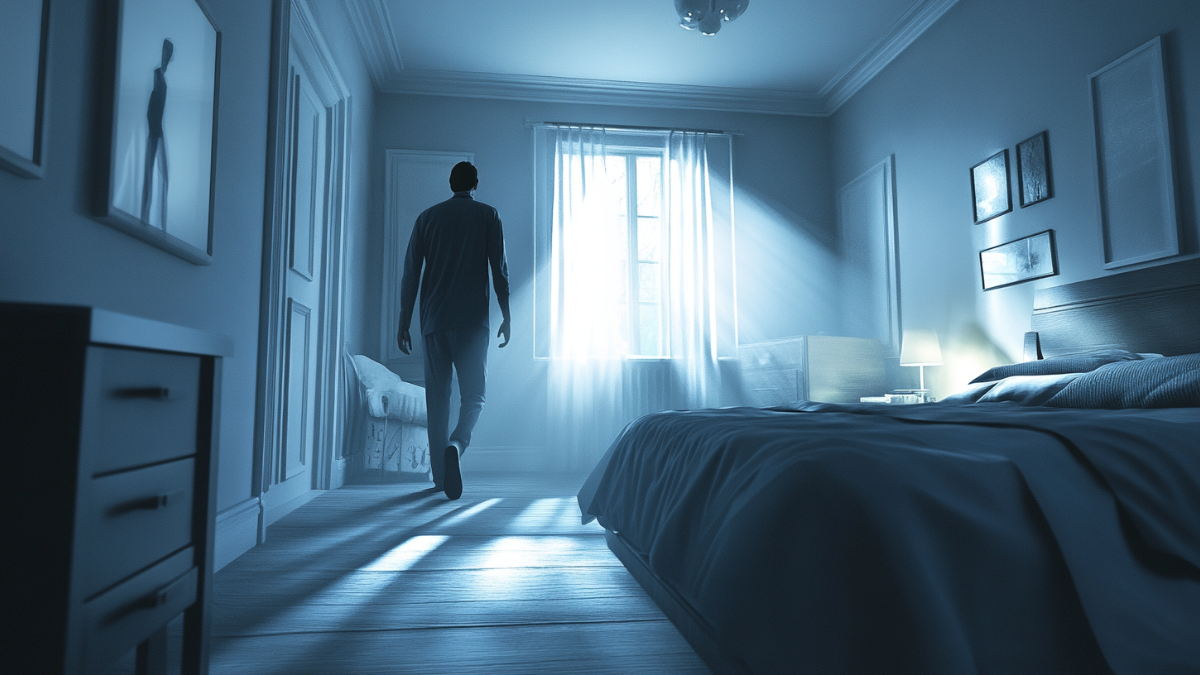
Sleepwalking, a type of parasomnia, is a mysterious sleep disorder that many people have experienced, either personally or through others. It’s often associated with children, but adults can experience it too, sometimes with more complex and potentially risky behaviors. One of the key factors contributing to sleepwalking in adults is stress.
In fact, stress is known to influence many sleep disorders, and sleepwalking is no exception. But how exactly does stress contribute to sleepwalking? And what role does mental health play in these parasomnias?
What is Sleepwalking?
Sleepwalking is a behavior disorder that occurs during deep sleep. During a sleepwalking episode, an individual can engage in a range of actions, from sitting up in bed or wandering around the room to more complex behaviors like leaving the house or even attempting to drive. Most of the time, the person is unaware of their actions and may have no memory of the event upon waking.
Sleepwalking typically occurs during non-REM sleep, particularly during the deep stages of the sleep cycle when the brain’s electrical activity slows down. While it’s more common in children, sleepwalking can also persist into adulthood or appear for the first time in later life, often triggered by external factors like stress.
The Link Between Stress and Sleepwalking
Stress is one of the most common contributors to disrupted sleep patterns, and it can directly impact parasomnias like sleepwalking. When you’re under stress or feeling anxious, your sleep quality is often affected. Stress can prevent you from achieving the deep, restorative sleep your body needs. As a result, the brain can become overactive even during sleep, leading to abnormal behaviors such as sleepwalking.
Here are some ways stress and anxiety can trigger or exacerbate sleepwalking episodes:
- Fragmented Sleep Cycles
Stress can disrupt your circadian rhythm, the body’s internal clock that regulates sleep-wake cycles. When you’re stressed, you may have trouble falling asleep or wake up frequently throughout the night. This fragmentation of sleep makes it more likely that you’ll experience abnormal behaviors during deep sleep, such as sleepwalking.
- Overactive Brain During Sleep
High levels of stress cause the sympathetic nervous system—the part of the nervous system responsible for the “fight or flight” response—to remain active even during sleep. This heightened state of arousal makes it harder for the brain to fully relax, leading to an increased likelihood of parasomnias like sleepwalking.
- Sleep Deprivation
When stress prevents you from getting enough sleep, sleep deprivation can set in. Lack of sleep is a significant trigger for sleepwalking because the brain’s ability to transition smoothly between sleep stages becomes impaired. The more exhausted you are, the greater the chance of sleep disturbances, including sleepwalking.
The Role of Mental Health in Sleepwalking
Mental health conditions like anxiety disorders, depression, and post-traumatic stress disorder (PTSD) are closely linked to sleep problems, including sleepwalking. People who suffer from anxiety are more likely to have poor sleep quality, which increases the risk of parasomnias.
Anxiety, in particular, has a strong connection to sleepwalking. According to the Sleep Foundation, individuals with high anxiety levels are more prone to experiencing disruptions in their deep sleep stages, leading to parasomnias like sleepwalking. The continuous loop of anxious thoughts and stress can prevent the body from entering the restful, uninterrupted sleep that it needs to avoid sleepwalking episodes .
Furthermore, individuals with PTSD often experience nightmares, which can be accompanied by physical actions like sleepwalking. The hyperarousal associated with PTSD increases the likelihood of complex parasomnias.
How to Manage Stress-Induced Sleepwalking
Managing stress effectively can significantly reduce the frequency and severity of sleepwalking episodes. Here are some practical strategies to consider:
- Improve Sleep Hygiene
Establishing a regular sleep routine can help your body relax and achieve a more restful sleep. This includes going to bed at the same time every night, limiting screen time before bed, and creating a peaceful sleep environment.
- Practice Relaxation Techniques
Incorporating relaxation exercises like deep breathing, meditation, or progressive muscle relaxation before bed can help lower your stress levels and prepare your body for a restful night’s sleep. You can also try mindfulness techniques to reduce overthinking and racing thoughts that disrupt sleep.
- Manage Anxiety
If anxiety is contributing to your sleepwalking, seeking professional help such as cognitive behavioral therapy (CBT) can be effective in managing anxiety and stress. Addressing the underlying causes of anxiety can lead to better sleep and fewer parasomnia episodes. You can find more information on how CBT can help manage anxiety from resources like the National Institute of Mental Health .
- Exercise Regularly
Regular physical activity is known to reduce stress and improve sleep quality. Exercise helps regulate your body’s internal clock, enhances deep sleep, and can reduce anxiety and stress, all of which can help minimize the risk of sleepwalking.
When to Seek Medical Help
While stress-induced sleepwalking can often be managed with lifestyle changes, persistent or severe sleepwalking may indicate an underlying issue. If you’re experiencing frequent sleepwalking episodes or if the behavior becomes dangerous, it’s important to consult a healthcare professional. They may recommend a sleep study or prescribe treatments to address sleepwalking and any related conditions.
In some cases, medications such as benzodiazepines or antidepressants may be used to regulate sleep patterns and reduce parasomnia episodes. However, this should always be done under the guidance of a doctor.
Stress and anxiety play a significant role in triggering and exacerbating sleepwalking, particularly in adults. By understanding the link between stress and parasomnias, you can take steps to manage your mental health and improve your sleep quality.
Techniques such as practicing good sleep hygiene, relaxation exercises, and seeking professional help for anxiety can help reduce the occurrence of sleepwalking episodes. However, if sleepwalking becomes frequent or dangerous, it’s essential to seek medical advice for further evaluation and treatment.