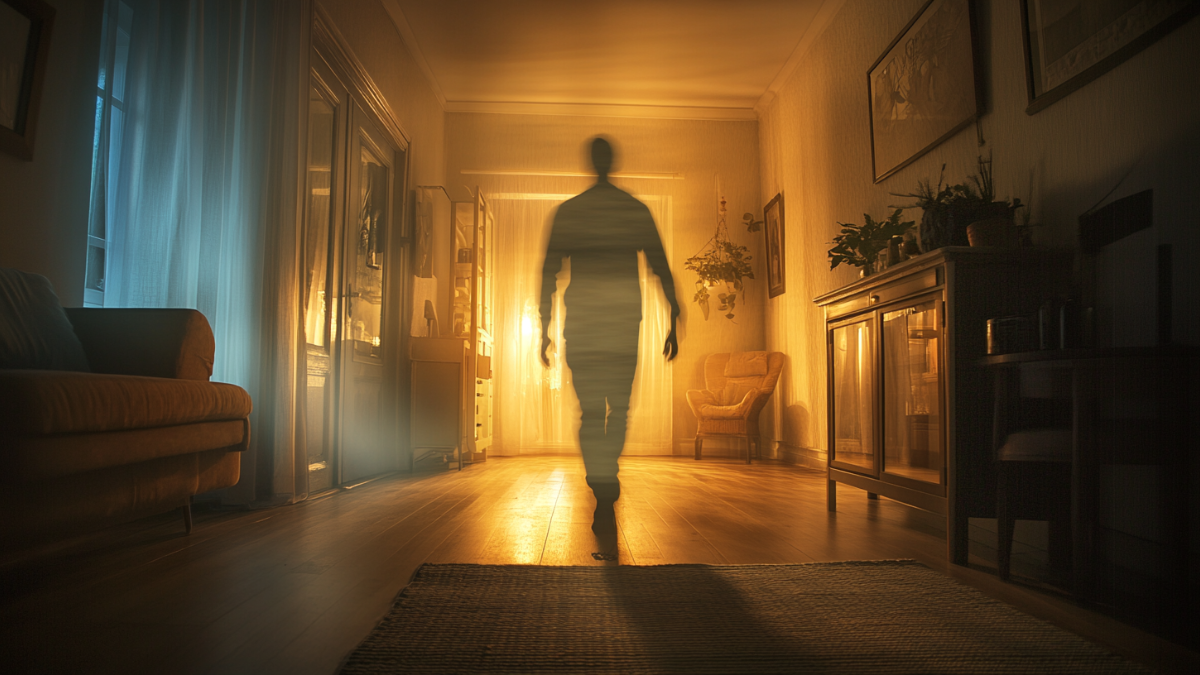
Sleepwalking is often associated with children, but it’s a condition that affects many adults as well. While it’s true that children are more prone to sleepwalking, it is not as uncommon in adults as many might assume.
In fact, studies suggest that 1 to 4 percent of adults experience sleepwalking at some point in their lives. Although the causes can differ from those in children, adult sleepwalking can still be influenced by a variety of factors and may require careful attention, especially if it becomes frequent or dangerous.
How Common is Sleepwalking in Adults?
Many people are surprised to learn that sleepwalking persists into adulthood for a significant portion of the population. While sleepwalking is more common in children—occurring in approximately 17% of kids—adults aren’t immune to this sleep disorder.
The American Academy of Sleep Medicine reports that up to 4% of adults may experience episodes of sleepwalking. These episodes can range from mild (e.g., simply sitting up in bed) to more complex behaviors such as walking around, talking, or even leaving the house while asleep.
Sleepwalking in adults is often less frequent than in children but may last longer or present a higher risk of injury.
This makes it important to understand why sleepwalking happens in adulthood and what can be done to manage it.
What Causes Sleepwalking in Adults?
While sleepwalking in children is typically linked to brain development and deep sleep cycles, adult sleepwalking tends to have a broader range of causes. Several factors can trigger or contribute to sleepwalking episodes in adults, including:
- Sleep Deprivation
One of the most common causes of sleepwalking in adults is lack of sleep. When the body and mind don’t get enough rest, the risk of sleep disturbances like sleepwalking increases. Adults who are overtired or have irregular sleep schedules may experience episodes more frequently.
- Stress and Anxiety
High levels of stress and anxiety can greatly impact sleep quality and trigger sleepwalking in adults. Stress-induced sleepwalking can occur when the brain has trouble transitioning between different stages of sleep, causing partial awakenings where the individual might get up and move around without being fully aware.
- Alcohol or Medication Use
Alcohol, especially when consumed in large amounts or before bed, can disrupt normal sleep patterns and increase the likelihood of sleepwalking. Certain medications, particularly those that affect the central nervous system (e.g., sedatives, hypnotics, or antidepressants), can also contribute to sleepwalking.
- Sleep Disorders
Adults with other sleep disorders, such as sleep apnea or restless leg syndrome, are more likely to experience sleepwalking. These conditions can lead to fragmented sleep, making the transition between sleep stages more erratic and increasing the likelihood of sleepwalking episodes.
- Genetics
As with children, sleepwalking often runs in families. Adults who experienced sleepwalking as children are more likely to continue experiencing it into adulthood. If you have a family history of sleepwalking, you may be genetically predisposed to experiencing it yourself.
- Medical Conditions
Some underlying medical conditions, such as epilepsy, fevers, or psychiatric disorders (like depression), may also contribute to adult sleepwalking. It’s essential to consult a healthcare provider if you suspect that your sleepwalking is linked to a medical condition.
How Does Adult Sleepwalking Differ from Sleepwalking in Children?
While the fundamental behavior of sleepwalking is similar between children and adults, there are a few key differences in how the condition presents in these two groups:
- Frequency of Episodes
Children tend to experience sleepwalking episodes more frequently than adults, often growing out of the condition by their teenage years. In adults, sleepwalking episodes tend to occur less often, but they can be more prolonged and complex when they do happen.
- Complexity of Behavior
Adult sleepwalking episodes may involve more elaborate behaviors than those seen in children. For example, some adults may engage in activities such as preparing food, driving, or even performing tasks at work while asleep. These complex behaviors make sleepwalking in adults more dangerous and harder to manage.
- Risk of Injury
Due to the more complex and often risky behaviors seen in adult sleepwalkers, there is a higher chance of injury during episodes. Falls, bumps, or accidents can happen if the person walks into objects or attempts to leave their home while still asleep.
- Underlying Causes
As mentioned earlier, adult sleepwalking is often linked to different causes than sleepwalking in children. While children’s sleepwalking is mainly due to brain development and sleep cycles, adult episodes are more likely tied to stress, medication, or other sleep disorders.
How to Manage Sleepwalking in Adults
If you’re an adult who experiences sleepwalking, there are several ways to manage and reduce the frequency of episodes. Here are some helpful tips:
- Prioritize Sleep Hygiene
Getting enough restful sleep is key to reducing sleepwalking episodes. Establishing a regular sleep schedule, limiting screen time before bed, and creating a relaxing pre-sleep routine can help improve sleep quality and reduce the likelihood of sleepwalking.
- Manage Stress and Anxiety
Since stress and anxiety are significant triggers for adult sleepwalking, it’s important to manage these factors through healthy coping mechanisms. Mindfulness exercises, meditation, and cognitive behavioral therapy (CBT) can help reduce stress levels and improve sleep quality.
- Avoid Alcohol and Certain Medications Before Bed
Limiting alcohol consumption, particularly in the evening, can help prevent sleepwalking. If you’re taking medications that affect your sleep patterns, consult with a healthcare provider to see if adjustments can be made to minimize the risk of sleepwalking.
- Create a Safe Sleep Environment
If you’re prone to sleepwalking, it’s crucial to make your sleeping environment as safe as possible. Remove any sharp objects or obstacles from your room, lock doors and windows, and consider installing alarms that alert you when you leave your bed. This helps reduce the risk of accidents or injuries during an episode.
- Consult a Sleep Specialist
If sleepwalking becomes frequent, complex, or dangerous, it may be time to seek help from a sleep specialist. They can perform a sleep study to better understand your sleep patterns and provide targeted treatment options, such as medications or therapy, to reduce sleepwalking episodes.
When to Seek Medical Help
Although sleepwalking in adults is often harmless, there are situations where seeking medical help is necessary. Consider consulting a healthcare provider if:
- Your sleepwalking episodes happen frequently or last for extended periods.
- Your behavior during sleepwalking is dangerous, such as attempting to drive or leave the house.
- You experience excessive daytime fatigue or difficulty functioning due to disrupted sleep.
- You have other symptoms of a sleep disorder, such as sleep apnea or night terrors.
Sleepwalking in adults is more common than many people think, and it can be triggered by various factors, including stress, sleep deprivation, and certain medications. While it often differs from childhood sleepwalking in terms of frequency and complexity, it still requires careful management to ensure safety and minimize the risk of injury.
By addressing the underlying causes and improving sleep hygiene, many adults can reduce or eliminate sleepwalking episodes altogether. If sleepwalking persists or becomes hazardous, seeking help from a medical professional can provide valuable insights and treatment options.