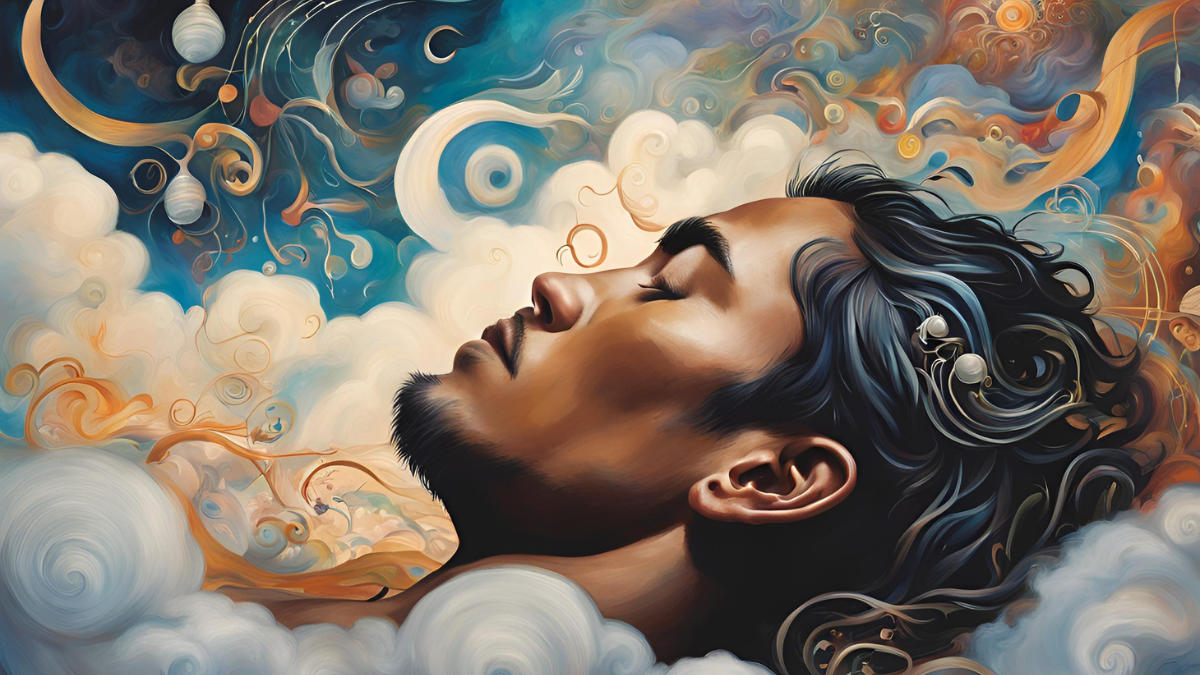
Dreams have long been a source of fascination, mystery, and inspiration. From ancient civilizations interpreting dreams as divine messages to modern psychologists exploring their role in our subconscious, dreams continue to captivate our imagination. But beyond their mystique, could dreams actually boost our creative potential?
Many artists, writers, and inventors have credited their dreams with providing creative breakthroughs, suggesting that our minds may unlock their fullest creative power during sleep.
In this article, we explore how dreaming may enhance creativity, how the brain processes information while we sleep, and how you can tap into your dreams for creative insights.
The Science of Dreaming and Creativity
During sleep, especially during the REM (Rapid Eye Movement) stage, our brains remain highly active. While the body rests, the brain processes information, consolidates memories, and makes new neural connections. This state of neural activity is often chaotic, allowing for unusual combinations of thoughts and ideas. Dreams are often surreal or abstract because the rational part of the brain, the prefrontal cortex, is less active, while the emotional and imaginative centers are fully engaged.
This unique brain state may be the key to unlocking creativity. By bypassing rigid, logical thinking, the dreaming brain allows new associations to form between seemingly unrelated ideas, which is often the root of creative problem-solving.
Historical Examples of Dream-Inspired Creativity
Throughout history, some of the world’s most creative minds have credited their dreams for sparking brilliant ideas. Here are a few famous examples:
- Mary Shelley dreamed of a scientist bringing a corpse to life, which later became the inspiration for her novel Frankenstein.
- Salvador Dalí, known for his surrealist paintings, used a technique called “hypnagogic sleep” (the transition state between wakefulness and sleep) to capture images from his dreams and convert them into his artwork.
- Paul McCartney famously composed the melody for the Beatles’ hit song “Yesterday” after hearing it in a dream.
- Elias Howe, who invented the sewing machine, dreamed of a group of cannibals attacking him with spears that had holes in their tips, inspiring the needle design for his sewing machine.
These examples suggest that dreams have the potential to fuel creativity in ways that waking thought might not.
How Dreams Can Enhance Creativity
Dreaming provides a unique platform for our minds to explore ideas in an uninhibited way. During REM sleep, the brain is free to make unexpected connections between unrelated concepts, often resulting in highly original ideas or solutions. This is because dreaming promotes divergent thinking, a key component of creativity that allows us to approach problems from multiple angles.
Here’s how dreaming may boost creativity:
- Breaking Mental Blocks: During sleep, the brain disengages from the logical constraints we apply during the day, allowing for novel solutions to emerge.
- Accessing Emotions: Dreams often tap into deep emotions, which can fuel the emotional depth and meaning behind creative works such as music, art, and writing.
- Recombining Ideas: Dreams mix memories, images, and thoughts in seemingly random ways, allowing new combinations to form, which can spark original ideas.
- Promoting Insight: By processing the day’s events and memories, dreams can help you gain fresh insight into problems you’re working on, both creatively and logically.
Tips to Harness Your Dreams for Creativity
If you want to harness the creative potential of your dreams, here are some tips to get started:
- Keep a Dream Journal: The moment you wake up, jot down your dreams. They often fade quickly, and writing them down can help you capture creative ideas or patterns that emerge from your subconscious.
- Prime Your Mind Before Bed: If you’re stuck on a creative problem, spend a few minutes thinking about it before you go to sleep. This can prime your brain to work on the problem during REM sleep.
- Use Lucid Dreaming: Lucid dreaming, where you become aware that you’re dreaming and can influence the dream’s content, is a great tool for actively exploring creative ideas in a dream state.
- Meditation and Relaxation: Engaging in meditation or relaxation techniques before sleep can improve dream clarity and help you remember dreams more vividly, increasing the chance of unlocking creative insights.
Can Daydreaming Boost Creativity Too?
Interestingly, daydreaming can also enhance creativity in much the same way. When your mind wanders, it enters a state similar to REM sleep, where the brain is free to make new connections. In this state, you’re more likely to have “lightbulb moments” or flashes of insight that can inspire creativity. By giving your mind a break and allowing it to drift, you can access a deeper level of thinking that helps with creative problem-solving.
Dreams as a Creative Catalyst
Dreams provide a playground for the imagination, offering a space where ideas can flourish and new connections can form. Whether through vivid, symbolic imagery or unexpected narrative twists, dreams offer a unique opportunity to tap into our subconscious and bring creative potential to the surface. While we may not always be able to control our dreams, learning to harness them can open new doors for creative exploration.
So the next time you face a creative block, remember—your next great idea might just come while you sleep.